Introduction: In the ceaseless ebb and flow of life’s demands, the quest for effective time management becomes a compass guiding us through the intricacies of each day. As a fellow traveler on this journey, I invite you to explore with me the art of mindful time management, a pursuit that goes beyond calendars and clocks, touching the very fabric of our existence.
Through the pages of this blog, we will unravel techniques that have not only shaped my path but hold the promise of transforming your relationship with time. From the strategic wisdom of the Eisenhower Matrix to the revelatory power of single-tasking, each insight is a thread in the tapestry of mastering time.
This is not just a manual on productivity; it’s an odyssey into intentional living, where each moment is a brushstroke contributing to the canvas of a more purposeful and fulfilling life. Join me in this exploration, and together, let’s navigate the tapestry of time and craft a life uniquely our own.
As we embark on this journey, share your thoughts, experiences, and aspirations in the comments below. Let this space be a haven for a community of mindful time managers, supporting and inspiring one another to weave a life that resonates with authenticity and purpose.
May this be the beginning of a transformative expedition into the realms of self-discovery and personal growth. Welcome to ThePersonalElevator.com, where time becomes not just a measure but a medium through which we shape the masterpiece of our lives.
Understanding the Power of Time Management
In the relentless pursuit of success, we often find ourselves caught in the whirlwind of tasks, responsibilities, and the ticking clock. The key to navigating this complex dance lies in the art of mindful time management. Join me on this exploration of techniques and insights that have shaped my journey towards a more intentional and fulfilling life.
Mindful Prioritization: The Eisenhower Matrix
A tried-and-true compass in the sea of responsibilities, the Eisenhower Matrix has become an indispensable tool in my daily life. By categorizing tasks based on their urgency and importance, this matrix offers a visual guide for making informed decisions about where to direct my time and energy. The Eisenhower Matrix is a prioritization tool that categorizes tasks into four quadrants based on urgency and importance. Tasks are classified as urgent and important, important but not urgent, urgent but not important, or neither urgent nor important. It helps individuals make informed decisions about task management and resource allocation. By visually organizing responsibilities, the matrix aids in focusing on high-priority activities, preventing time-wasting on less critical tasks. It encourages a strategic approach to time management, fostering efficiency and productivity.

The real magic happens when I pause to reflect on task priorities. Instead of succumbing to the urgency of the moment, I consciously allocate time with intention. This mindful approach not only prevents chaos but also significantly boosts productivity, ensuring that I’m working on what truly matters.
Single-Tasking Mastery: Quality Over Quantity
In a world that glorifies multitasking, I embarked on a journey to challenge this myth. Drawing from personal experience, I’ve found that attempting to juggle multiple tasks simultaneously often results in decreased quality of work and heightened stress levels. I recently stumbled across a YouTube video from Alex Hormozi, in which he describes a blue print to making $1,000,000. Yes, the $1,000,000 aspect is enticing, however, he shares an important visualization of how we spend our time and efforts. In the video he explains that most financial gurus will tell their audience that they need 7 sources of income since that is what the rich does. However, the rich only do this because they had 1 source of income that was overflowing; Visualize 7 Dixie cups each about 1/3 full, this is what your ‘7 sources of income’ looks like if the top of the cup is $1,000,000. You need to fill up one cup all the way so that it starts overflowing and then you can start spreading your wealth into 7 different sources.
Transitioning to single-tasking has been a revelation. Breaking down tasks into manageable chunks and dedicating focused time to each has become my mantra. This shift not only enhances focus but also brings a sense of accomplishment with each completed task, fostering a more intentional and productive work and personal life. Once I stopped trying to chase multiple side hustles and just focused on my first – my business partner and I have seen tremendous progress and results. Along the way we picked up a wealth of knowledge that we otherwise would’ve never been introduced to had we not stayed on task.
Techniques for Mindful Time Management
The Pomodoro Technique: Boosting Efficiency in Short Bursts
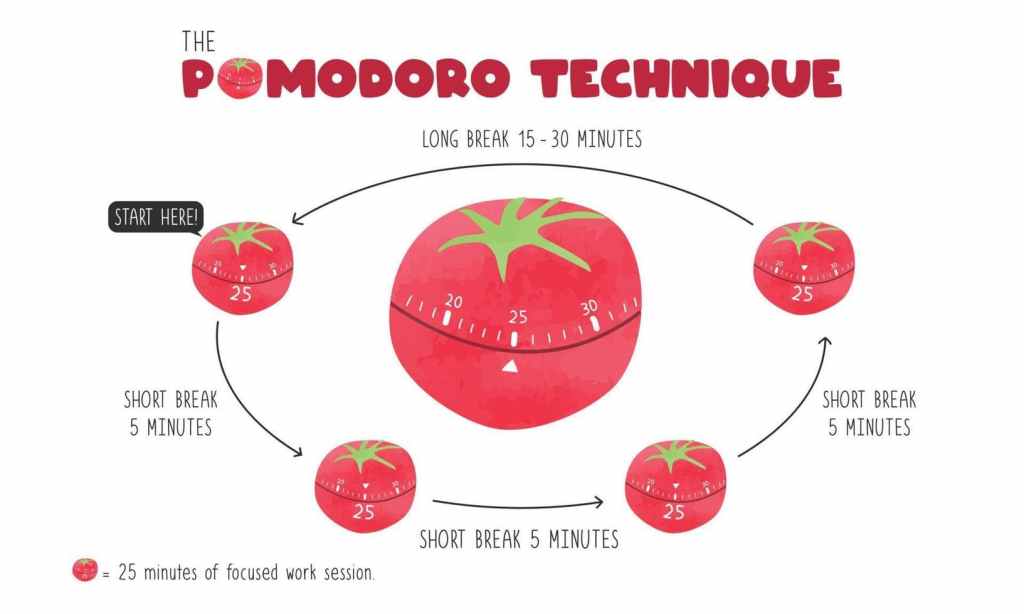
The Pomodoro Technique, a time management method utilizing short, focused intervals, has become a game-changer in my routine. By breaking the day into manageable increments, I’ve experienced heightened concentration and prevented burnout. The Pomodoro Technique is a time management method that involves breaking work into intervals, traditionally 25 minutes in length, known as “Pomodoros.” After each Pomodoro, take a short break of around 5 minutes. After completing four Pomodoros, take a longer break of 15–30 minutes. The technique is designed to enhance focus, productivity, and mental clarity by leveraging short bursts of intense work followed by regular breaks. It aims to minimize burnout and maintain sustained concentration throughout the workday.
Time Blocking: Designing Your Day for Success
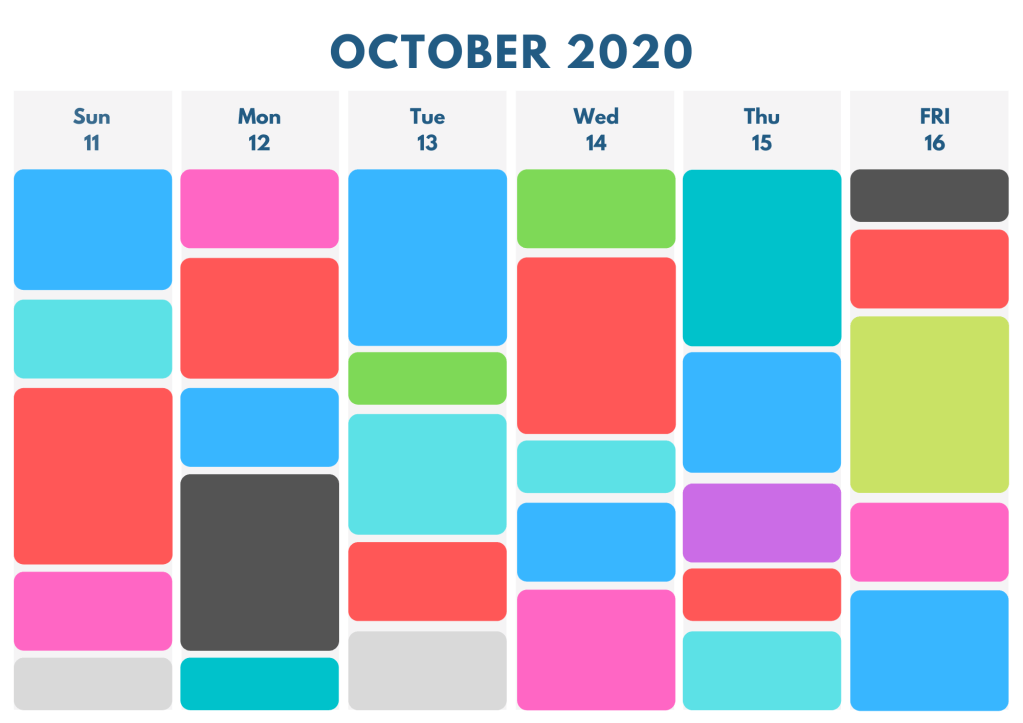
Time blocking, a strategy that involves allocating specific time slots for different tasks, has brought structure and organization to my workday. Dive into my experiences to uncover how this technique can revolutionize your own approach to daily tasks.
Time blocking is a time management strategy where you schedule specific blocks of time for different activities or tasks throughout your day. Each block is dedicated to a particular type of work or a specific project. By allocating predetermined periods to tasks, it helps create a structured and organized daily routine. Time blocking enhances productivity by providing a clear plan for how your day will unfold. This technique allows individuals to focus on one task at a time, minimizing distractions and optimizing efficiency.
Tips and Tools for Mindful Time Management
Setting Boundaries: Learn to Say No
In a department where resources are scarce and leadership is lacking, mastering the art of setting boundaries and saying no becomes a vital skill for both personal well-being and professional efficacy. Amidst the challenges of a stretched-thin team, it’s imperative to define and communicate your limits, recognizing the importance of safeguarding your mental health and overall work-life balance. Without clear leadership, the responsibility falls on individual team members to navigate their workload, emphasizing the need for self-advocacy. Saying no strategically, based on an evaluation of task alignment with priorities, is an empowering move to protect time and energy. Effective communication in declining tasks, offering alternatives, and fostering open collaboration contribute to a sustainable work culture that balances team needs with individual boundaries. Make Nancy Ragan proud and just say ‘NO!’
Mindful Transitions: Creating Space Between Tasks
In the hustle of modern work, mastering the art of effective breaks is key to productivity and well-being. Explore quick tips here to seamlessly integrate rejuvenating breaks, ensuring sustained focus and a healthier work-life balance. From mindfulness to movement, these strategies empower you to optimize break time for maximum impact.
- Schedule Breaks: Just as you schedule tasks, allocate specific times for breaks in your daily routine. This ensures that breaks are not overlooked or sacrificed for additional work.
- Move and Stretch: Incorporate physical activities into your breaks. Stand up, stretch, take a short walk, or do a quick workout routine. Physical movement helps rejuvenate both the body and mind.
- Practice Mindfulness: Use breaks as an opportunity for mindfulness. Engage in deep-breathing exercises, meditation, or simply close your eyes and relax. Mindful breaks can enhance mental clarity and reduce stress.
- Step Away from Screens: If your work involves prolonged screen time, make sure your breaks involve activities away from screens. This can help reduce eye strain and prevent mental fatigue.
- Socialize: Connect with colleagues or friends during breaks. Social interactions provide a mental break and can contribute to a positive work environment.
- Change Your Environment: If possible, change your physical surroundings during breaks. Step outside, sit in a different area, or simply look out of a window. A change of scenery can refresh your perspective.
- Hydrate and Snack: Use breaks to stay hydrated and have a light snack. Proper nutrition and hydration contribute to sustained energy levels throughout the day.
- Set Boundaries: Establish clear boundaries for breaks and avoid extending them indefinitely. Having a set time for breaks helps maintain a balance between work and relaxation.
- Reflect on Break Effectiveness: Periodically evaluate how your breaks impact your overall well-being and productivity. Adjust your break routine if needed to find what works best for you.
Conclusion: Mastering Your Time, Crafting Your Life
As we journeyed through the intricacies of mindful time management, exploring techniques, and reflecting on the power of historical insights, I hope you found inspiration to embark on your own path towards a more intentional and fulfilling life.
From the strategic guidance offered by the Eisenhower Matrix to the transformative potential of single-tasking, we’ve uncovered tools that not only enhance productivity but also infuse each moment with purpose. The Pomodoro Technique and time blocking have proven to be allies in the battle against overwhelm, offering structured approaches to navigate the demands of our daily lives.
As we look back through history, we see that the mastery of time has been a timeless pursuit. The lessons from the past, coupled with compelling statistics, underscore the profound impact effective time management can have on both professional success and personal contentment.
In the toolbox of mindful time management, setting boundaries emerges as a powerful instrument, allowing us to curate our commitments and channel our energy toward endeavors that align with our priorities. The art of mindful transitions, often overlooked, becomes the glue that seamlessly binds the different facets of our lives, fostering mental clarity and reducing stress.
As you contemplate incorporating these strategies into your life, remember that this journey is uniquely yours. Each step, no matter how small, brings you closer to mastering your time and, in turn, crafting the life you envision.
I invite you to share your experiences, insights, and challenges in the comments below. Let’s cultivate a community of mindful time managers who support and inspire each other on this journey. Like, share, and subscribe to join our ongoing exploration of self-discovery and personal growth.
Until we meet again next Thursday for another dive into the realms of thoughtfulness, may your days be filled with purposeful moments and the satisfaction of a life well-crafted.
Together, let’s embrace each day with hope and purpose. – Tyler

 The Personal Elevator
Leave a comment